• Prevention
  • Spas
  • Spas and health resorts
  • Clinics
    • On average, the human body consists of 67% water. It is therefore not surprising that water also plays a decisive role in terms of health.

      The beneficial warmth of moor, fango and mud was discovered early on. Mud baths were documented as a natural remedy as early as the 14th century.

      The climate has long had a major influence on well-being. Those seeking relaxation are most likely to find it in an environment with a balanced temperature and constant humidity.

      Kneipp cures are probably among the best-known water treatments. However, Kneipp therapy also includes nutrition, herbs, exercise and inner balance in addition to the water pillar.
  • Your way to a cure

News & Tips

Mental Wellness –
The Art of Inner Peace

Everyday life has become faster. Amid constant accessibility, digital stimuli, and high demands, the desire for moments where nothing has to be achieved is growing. Mental wellness represents a shift in wellness culture: recovery is no longer understood merely as a break, but as an essential component of a healthy life.

There are those moments when everyday life suddenly becomes quieter. A walk without looking at the smartphone. A morning when no appointments are waiting. A breath that is consciously perceived. What used to be considered perhaps just a small break is taking on a new meaning today. More and more people are dealing with the question of how to stay not only physically healthy, but also mentally balanced.


Mental Wellness describes precisely this approach: the conscious cultivation of one's own mental health through rest, mindfulness, and better coping with stress.

When the mind cannot find a break

The modern world offers many opportunities while simultaneously presenting new demands. News reaches us at all times, work and leisure are increasingly merging, and information accompanies us from morning to night.

Many people therefore feel a growing longing for retreat. Not necessarily for complete isolation, but for places and moments where space for peace and quiet can emerge once again.

The wellness industry is also reacting to this development. While physical treatments such as massages, saunas, or baths used to be the main focus, mental needs are increasingly coming to the forefront today.

From Pampering to Regeneration

The classic wellness vacation is changing. Guests are no longer looking exclusively for relaxation, but instead want to do something sustainable for their well-being. New concepts such as sleep retreats, digital detoxes, or mindfulness programs tap into this desire. They combine recreation with methods that can help perceive stress more consciously and rediscover one's own rhythm. This is not about adding another item to one's personal optimization list. Rather, a counter-trend to constant performance orientation is emerging: less of "faster, higher, further," and more of being conscious, calmer, and more balanced.

The small breaks of everyday life

Mental recovery does not just start with a trip or a multi-day retreat. Often, it is small interruptions that can make a difference in everyday life.

A short walk in nature.
A few minutes of mindful breathing.
A break without digital distraction.

Such moments create distance and help in finding one's focus again. At the same time, longer breaks remain valuable. A stay in a wellness hotel, a retreat into nature, or a consciously designed retreat allows for a more intense distance from everyday life.

Both go together: small islands of peace in between and longer phases of recovery that provide new strength.

Nature as a space for mental balance

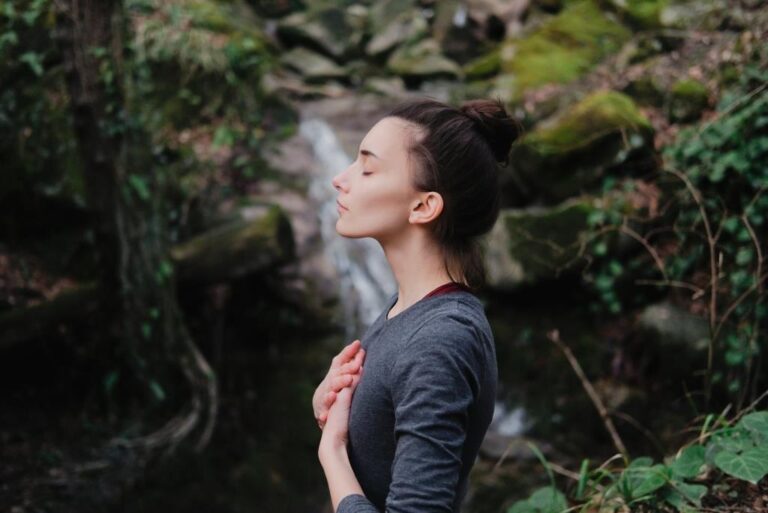
Nature in particular plays a central role in the field of mental wellness. Forests, mountains, and peaceful landscapes offer a counterpoint to the fast pace of modern life. Many people associate experiences in nature with relaxation and inner peace. A walk among trees, the view across a landscape, or the conscious perception of sounds and scents creates a moment of connection – with the surroundings and with oneself.

This is why an increasing number of wellness and health programs are relying on natural spaces as part of their concepts.

Sleep, breathing, and movement in focus

An important component of mental health is restorative sleep. It is increasingly viewed not just as a necessary resting phase, but as the foundation for regeneration and well-being. Breathing techniques, meditation, and gentle movement are also gaining importance. They help people interact more consciously with their own bodies and perceive stress reactions. This reveals a trend: modern wellness offerings increasingly combine insights from health and prevention with traditional methods that have long been part of the culture of recovery.

New ways to greater balance

Mental recovery does not come from a single approach. It is an interplay of various factors: rest, exercise, social connection, experiences in nature, and time for oneself. Perhaps therein lies the particular strength of mental wellness. It is not about escaping everyday life permanently, but about dealing with it more consciously. Because recovery is more than just a break between two appointments. It is a space where new strength can emerge.

ASSOCIATION

Spas and health resorts in Baden-Württemberg

en_USEN